
Code This Lab
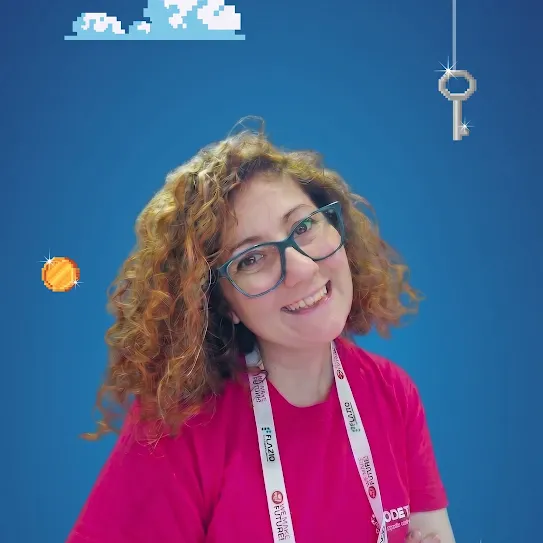
Ida Di Costanzo, Project Manager
Naples, Italy
Social Module
How an independent Italian game studio built a multi-industry empire
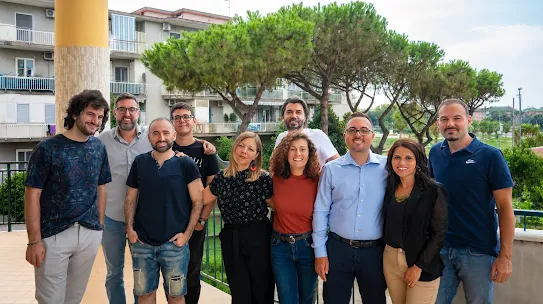
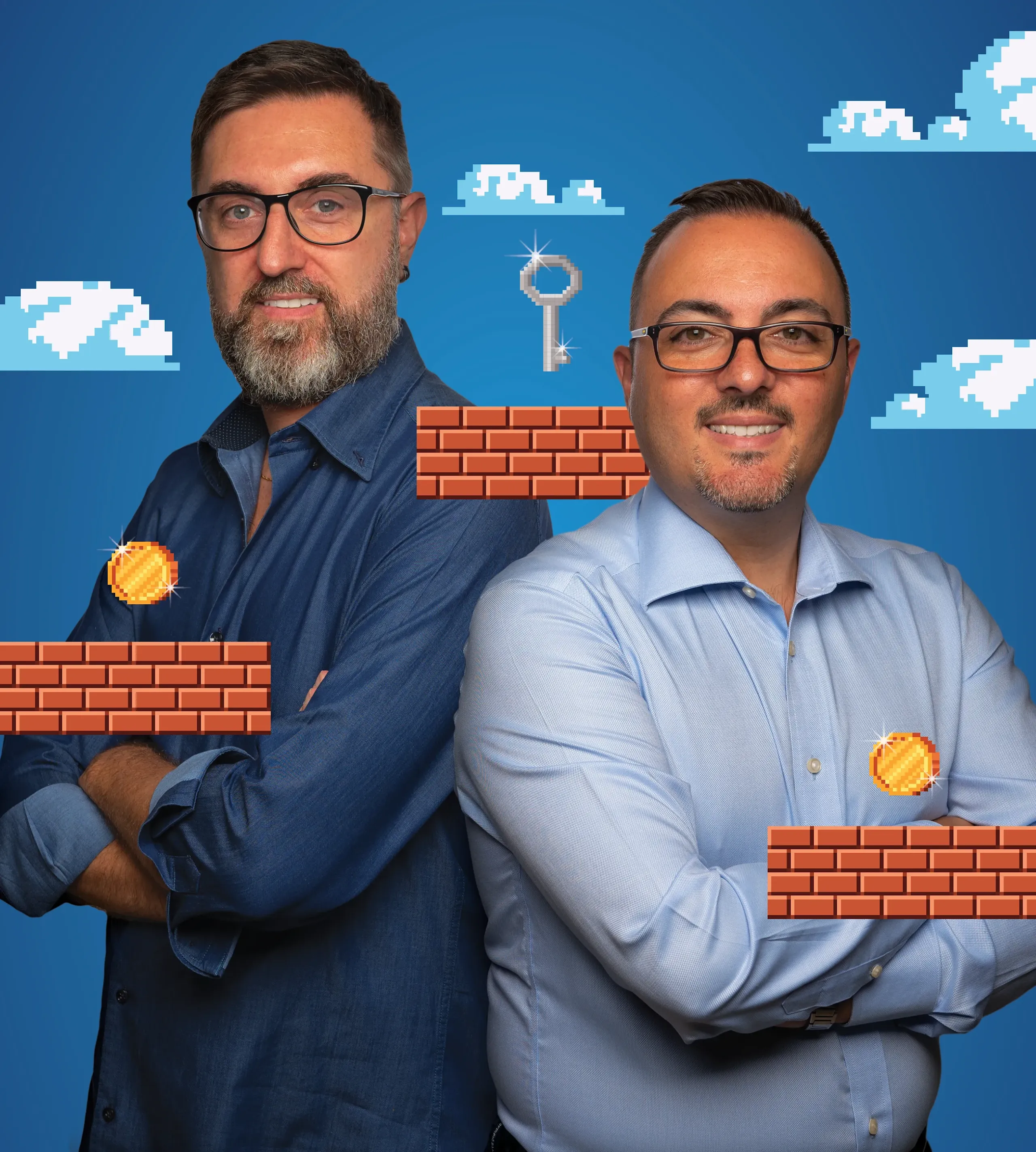
Founded in Naples, Italy, by Biagio Iannuzzi and Mauro Banchieri, Code This Lab evolved from a single, self-taught slot machine game into a highly successful digital studio. Supported by Google AdMob, the ten-person team keeps its casual catalog free to everyone, fueling side ventures from enterprise software to high-end skincare.
Fueling a dream with orange juice
The story of Code This Lab begins with a freezing cold room and a massive dream.
In 2002, university students Biagio Iannuzzi and Mauro Banchieri crossed paths in Naples, Italy, united by a shared passion for video games.
After his first year, Biagio decided that university lectures were too slow, choosing to drop out to teach himself game development from books.
"He preferred to study on his own," Ida Di Costanzo explains. "So he bought all the books required to learn how to develop games."
Mauro’s house lacked a heater, so the duo spent countless freezing winter nights huddled over keyboards, writing code.
“They were used to living in a house without a heater," Ida reflects, smiling. "Mauro's father brought them orange juice and snacks to keep them going.”
Eventually, they officially incorporated Code This Lab in May 2009. The name itself was born out of deadline panic: while Biagio was on a call with Google, he hurriedly shouted a series of random words, landing on Code This Lab.
"Nobody remembers our name," Ida laughs. "They call us code fish lab, or code lab."
Today, the team jokingly regrets the choice because clients frequently mispronounce it, but their early scrappiness laid the foundation for an incredible journey ahead.
The power of resilience
Their very first release was a basic, fruit-themed slot machine that Biagio coded and designed entirely by himself.
But the massive breakthrough arrived when the studio published a Mahjong game on Yahoo Games.
Biagio woke up one morning to find a large, unexpected wire transfer in his bank account, discovering their game had gone viral. But as the internet matured, they faced a critical crisis: the Flash technology they had built their entire catalog on was being retired.
Rather than giving up, the team embraced the Italian concept of resilienza (resilience), pivoting completely to master HTML5 and rebuilding their library from scratch.
"The story of Mauro and Biagio is a story of resilienza—the power of change," Ida says. "The power to crash and not die, but to change their view."
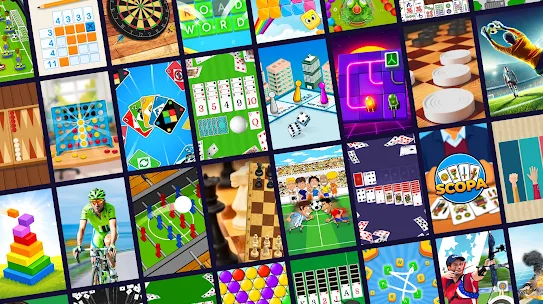
Today, Code This Lab boasts 56 games on the Google Play Store, with flagship titles like Master Chess and Master Checkers each surpassing 100,000 downloads.
To keep their games free for their audience, they integrated Google AdMob as their primary monetization partner.
"An ad-supported business model allows us to offer great games for free," Ida explains. "And we always try to not add too many ads, even if it's against our own interests, because we want to offer a great product experience."
This user-first focus has built deep player connections, like when a user named Santi wrote to thank Ida because Master Chess provided him with vital daily companionship in his lonely retirement.
"He told us that our game helps keep him company because otherwise he was alone," Ida shares. "My favorite part of my role is building a bridge with players and understanding that our games really help improve their lives."
-
Today, Code This Lab boasts 56 games on the Google Play Store.
A recipe for multi-industry success
Under Ida’s project management, Code This Lab has successfully leveraged its game engines to also create promotional "advergames" for major brands.
They even partnered with the iconic luxury fashion house Balenciaga, customizing a ready-made game engine to design a stylized skiing game for their winter snow collection.
"I am very proud when big companies call me on the phone," Ida says with a smile. “When Balenciaga called, I didn't even know what Balenciaga was initially so I had to look them up on Google!"
Now, she regularly coordinates with giants like Microsoft and Rai 1, Italy's premier television channel.
This business versatility expanded further into building custom logistics and CRM software for enterprise clients, which currently generates the largest portion of their revenue.
The founders' entrepreneurial curiosity has even spilled over into completely separate industries. They launched a retail vending-machine business in 2017 and introduced Luvielle, a premium anti-aging skincare brand, in 2025.
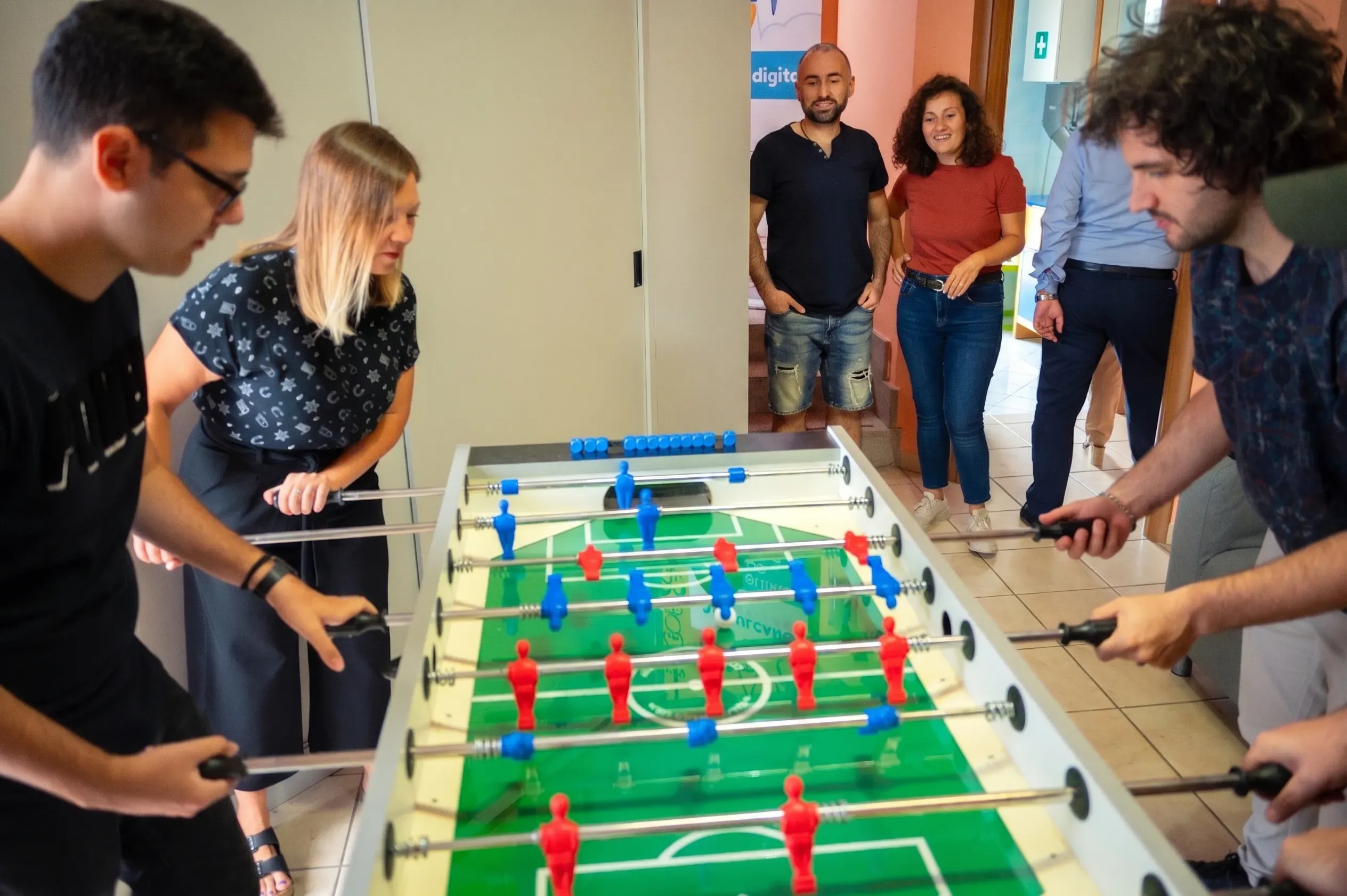
To manage these diverse ventures with a lean team of ten employees, they rely heavily on Google AI. They use Gemini to assist with project organization and write complex SQL queries, while integrating advanced AI libraries into Master Chess to deliver challenging, high-level computer opponents.
"Gemini is my best friend," Ida says with a laugh.
For other independent developers starting out, Ida’s primary advice is to maintain absolute flexibility.
"We must be ready to change," Ida warns, pointing to historical tech giants that stumbled by refusing to adapt. "See the change, welcome it and change accordingly."
Driven by this resilient philosophy, the Naples-based studio continues to explore new frontiers, proving that passion and adaptability can take a business from a cold room to the global stage.

About the Publisher
SHARE THIS STORY
Social Module