
StepsApp
Ylli Qerkini, Chief Marketing Officer
Graz, Austria
Social Module
StepsApp is helping over a million people move a little more every day
In 2015, a small team in Graz, Austria set out to build a fitness app around the one exercise almost everyone already does: walking. Eleven years and 60 million downloads later, StepsApp motivates more than a million people each and every day, and by staying free for everyone thanks to an ad-supported business model.
Starting on the right foot
The most popular exercise on the planet doesn’t need a gym. There’s no membership fee. No learning curve either. Almost everyone already does it, every day, without having to even think about it.
Walking.
Which made it really strange, back in 2015, already years into the app “gold rush,” that nobody had built a functional app around it.
Even so, the app stores were packed with fitness options: apps for runners, apps for cyclists, apps for lifting weights, apps for sitting perfectly still and meditating, but each one spoke to a single, narrow slice of users.
It would need a small team in Graz, Austria to spot the opportunity.
"Step counting, the ability to walk, which the majority of humans thankfully have, seemed to be the broadest use case in the health and fitness industry," says Ylli Qerkini, CMO of StepsApp. "It had very decent organic search traffic, but it wasn't covered by well-developed apps."
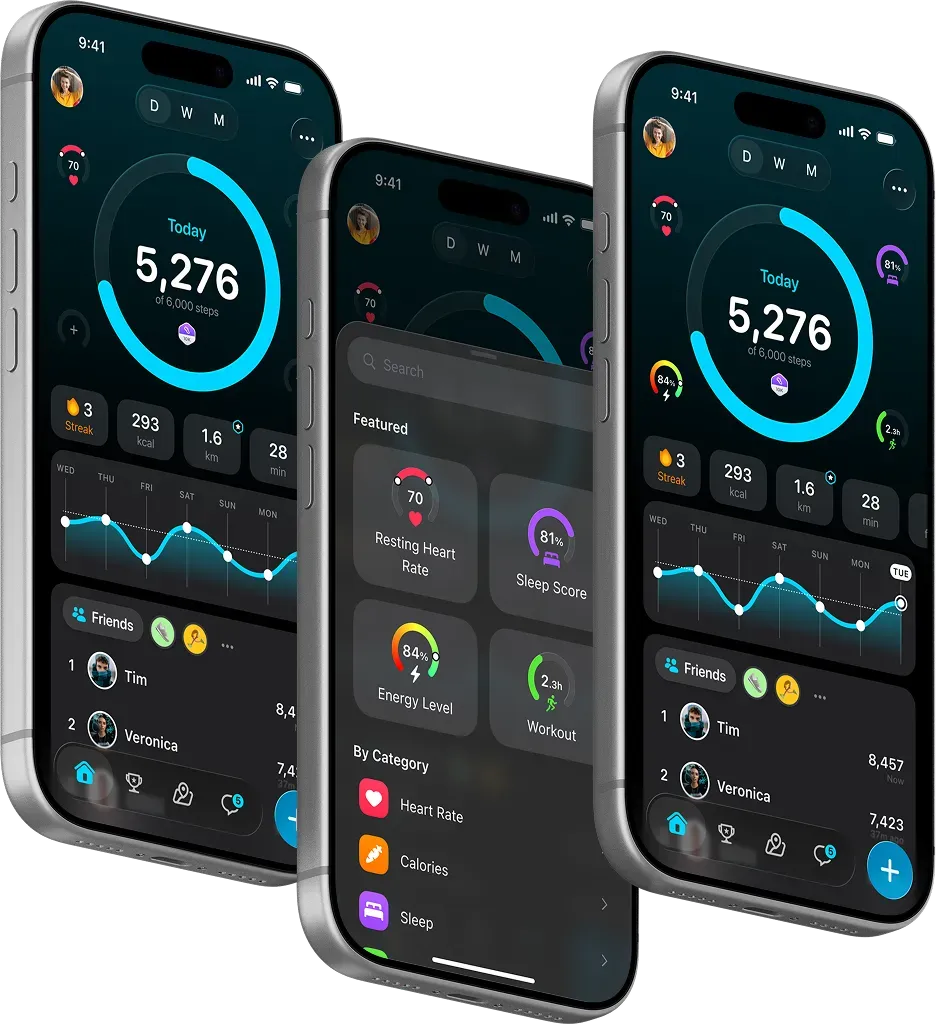
So that's what they went with: a step counter with easy tracking, daily goals, streaks, and a clean design to boot.
And behind it all was a noble mission as well: to help folks build healthier habits day by day, to make movement simple, consistent, yet fun.
Plus, walking costs nothing, so the app followed suit: free to download and use, with pro features available through a one-time purchase.
It’s little wonder then that the user base managed to grow so massively, and almost entirely on its own steam: roughly 85% of StepsApp's traffic has always been organic, Ylli points out, riding the wave of app store searches and word of mouth referrals.
People went looking for a step counter, and StepsApp is what they found. Eleven years later, it still is the thing they find.
But all those free users brought the team face to face with an age old business question: how do you make money from free?
Finding their stride with ads
The answer would ultimately reveal itself when they dug into the numbers.
"We saw very fast that we had a paid user rate of about 3 to 5%," says Ylli. "So 95% of people were using the app for free. It was kind of a no brainer to introduce ads to monetize the massive free user base."
After all, the app was being built by a team who needed to make a living, and those one time in-app purchases were only going to go so far.
Ads would let StepsApp stay free for any users unwilling or unable to pay, while still supporting the people behind the app itself.
And the team took a thoughtful approach for how those ads would show up early on.
"The main idea always was to introduce ads in a way that doesn't disrupt the user experience, especially in the first sessions," says Ylli.
What that meant: there would only be a small banner at the bottom of the screen, a format that would never interfere with the main interface.
Yes, there would be the occasional interstitials too, but ones that are skippable after five seconds, and only appearing every few days as opposed to every time the app opens.
Their approach worked.
Ad revenue, run through Google AdMob, soon outgrew the one time purchases. Then, in 2021, when the COVID-19 pandemic shuttered gyms and closed almost everything else, walking was suddenly the workout of last resort, tripling the app's downloads in just a matter of months.
That’s when the StepsApp team decided it was time to introduce subscriptions, which have since become the company's main revenue model.
Ads never went away, however. In fact, they still make up 20 to 25% of overall revenue, growing steadily alongside the app's active users. Plus, since bringing ad management in-house and going direct to AdMob to fill their ad slots, ad revenue has grown 100% year over year.
Best of all, that income is dependable. And runs practically on autopilot these days.
"It's a very stable revenue stream for StepsApp; it’s very forecastable," explains Ylli. "Once the app brings the value and users use it, the ad revenue really just keeps running on the side."

"95% of people were using the app for free. It was kind of a no brainer to introduce ads to monetize the massive free user base."
-
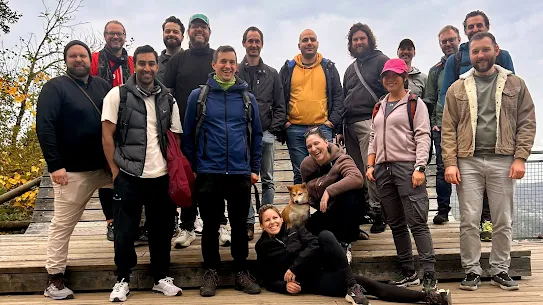
The StepsApp team behind the popular walking and fitness app
Going the distance
And while its users keep on counting their steps, the company continues to count its milestones: 60 million lifetime downloads, roughly a million more every month, 13 to 15 million people using it monthly.
Not only that but the company also did it all fully bootstrapped. In other words, no investors. And it was just the founding team doing everything themselves for those first few years.
Today, StepsApp looks quite different, employing 20 people full-time, and nearly every part of the operation runs on Google: AdMob for monetization, Firebase and Google Analytics for tracking, Google Ads for the small share of paid acquisition, Workspace and Cloud behind the scenes.
As Ylli puts it, Google is the company's longest running partner by far.
And the newest addition to that toolkit: AI. The team now uses Google AI Studio, along with Veo and Flow, to produce every ad and promo video the company runs.
"I'm creating 100% of our content with AI right now," says Ylli. "We don't produce manual videos anymore."
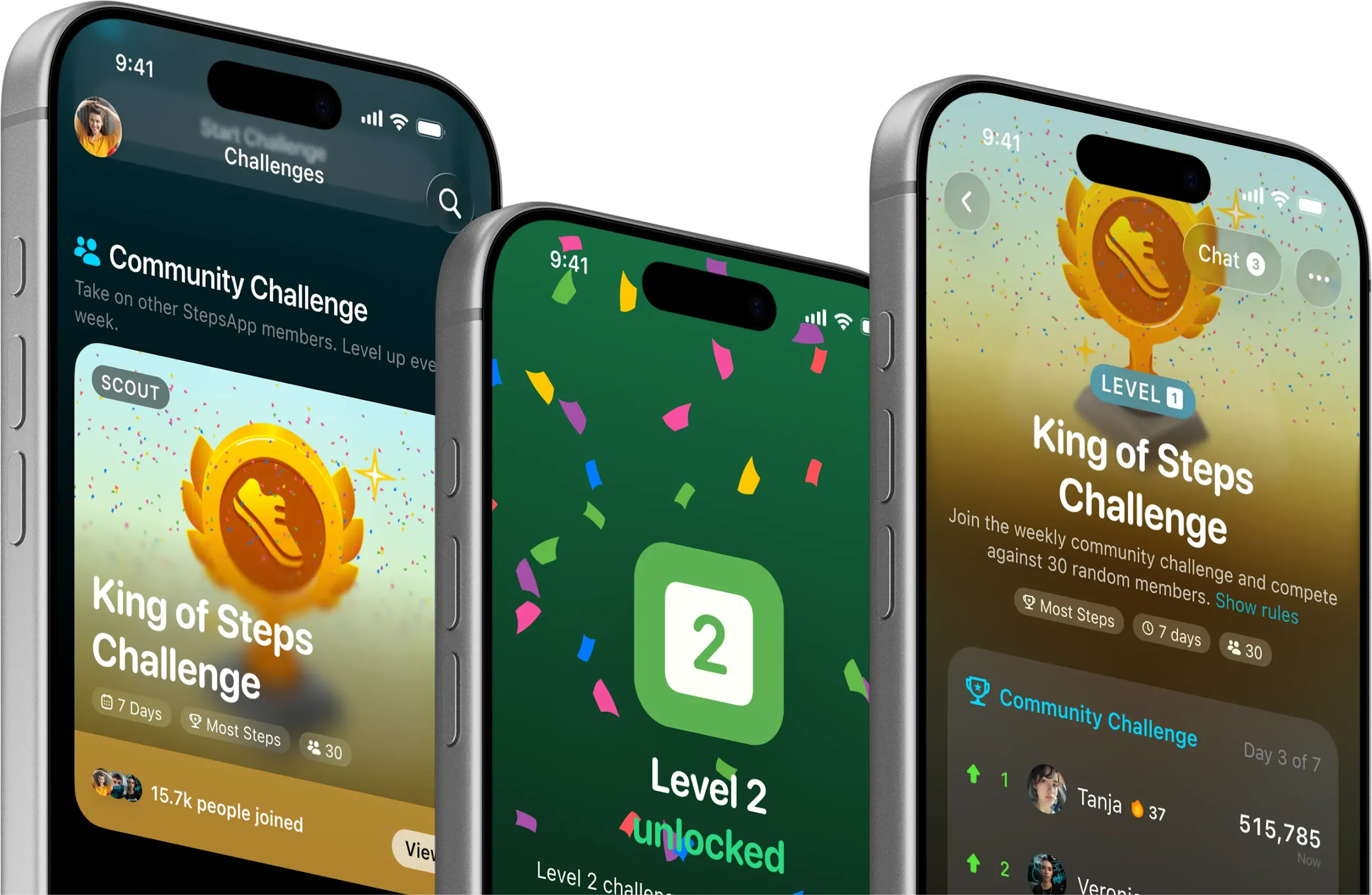
As for what's next: in the past year, StepsApp has added a social layer, including streaks, leaderboards, challenges, invite funnels and more.
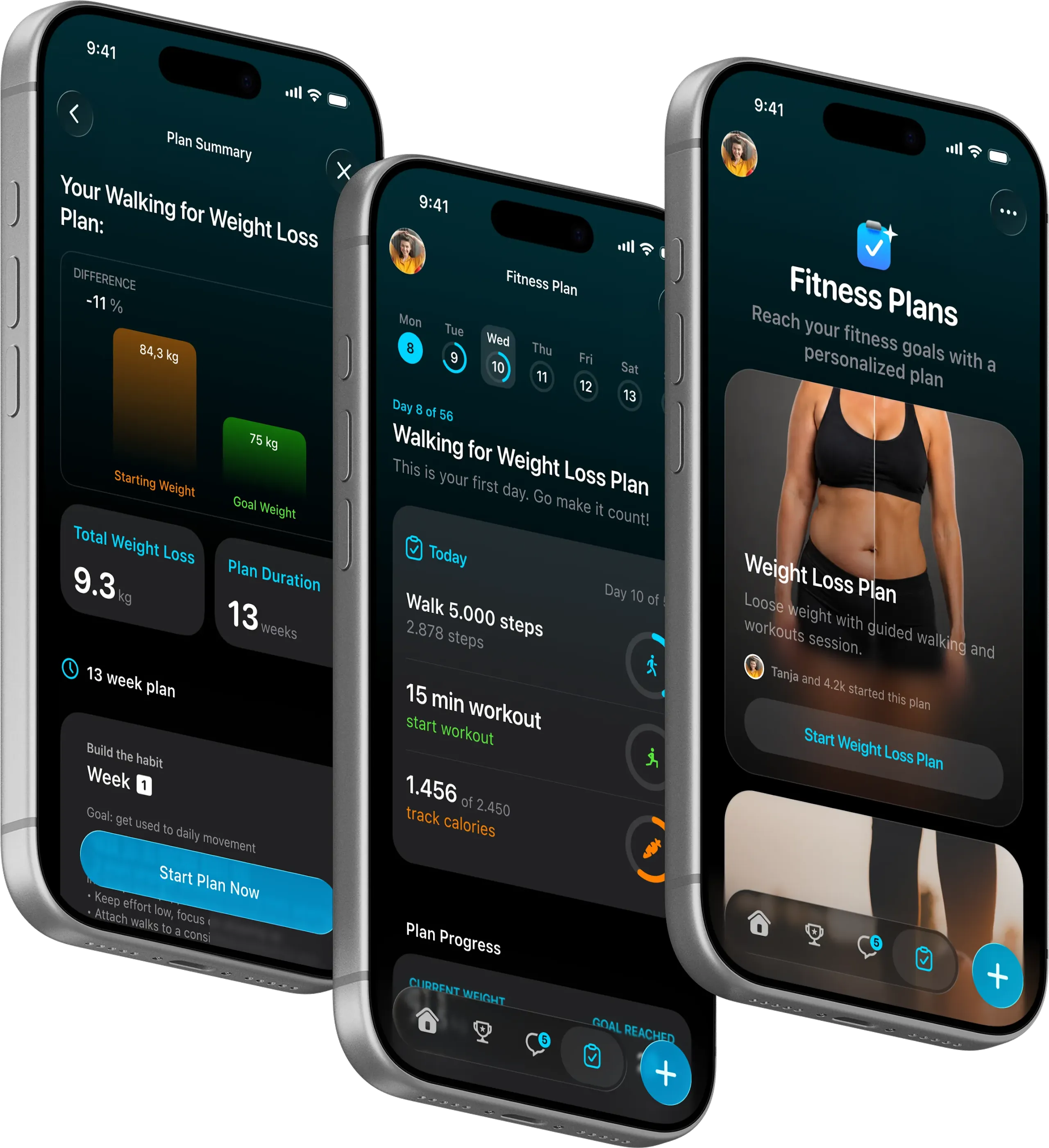
And while that has nearly doubled its active user base, the team is now setting its sights on the holy grail: fitness personalization. That means coaching features like guided walking plans tailored for individual profiles and goals.
But the team is mindful to test carefully as they build. "At the end of the day, at the core, it's a step counter," Ylli elaborates. "We don't want to lose our core identity."
After 60 million downloads, and counting, they know better than to overcomplicate a good walk.

About the Publisher

SHARE THIS STORY
Social Module